Residential Wellbeing Program
A guided residential program supporting emergency services workers experiencing psychological distress, burnout or challenges returning to work.

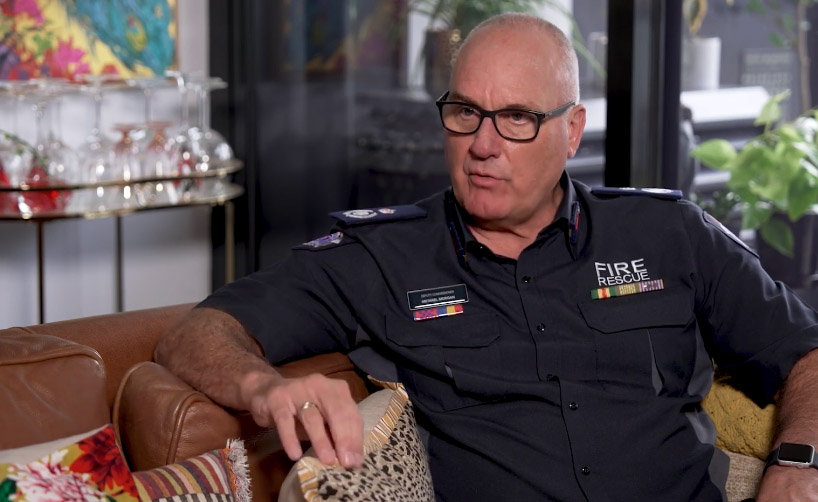
Michael Morgan – Fire Rescue Victoria
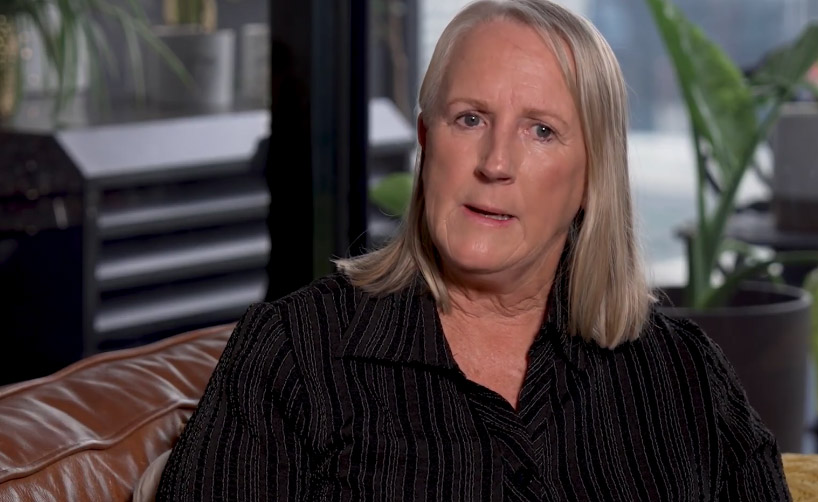
Ellane Clarke – (former) Victoria Police
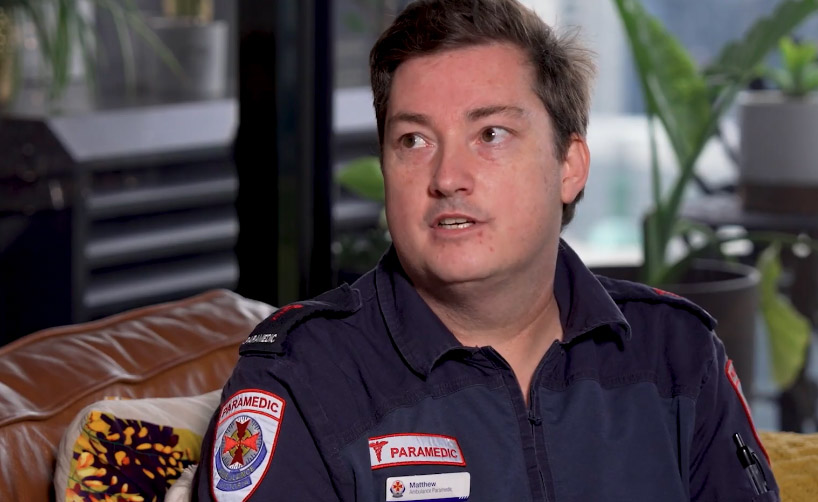
Matthew Pullin – Ambulance Victoria

Amanda Creagh (former) Triple Zero Victoria
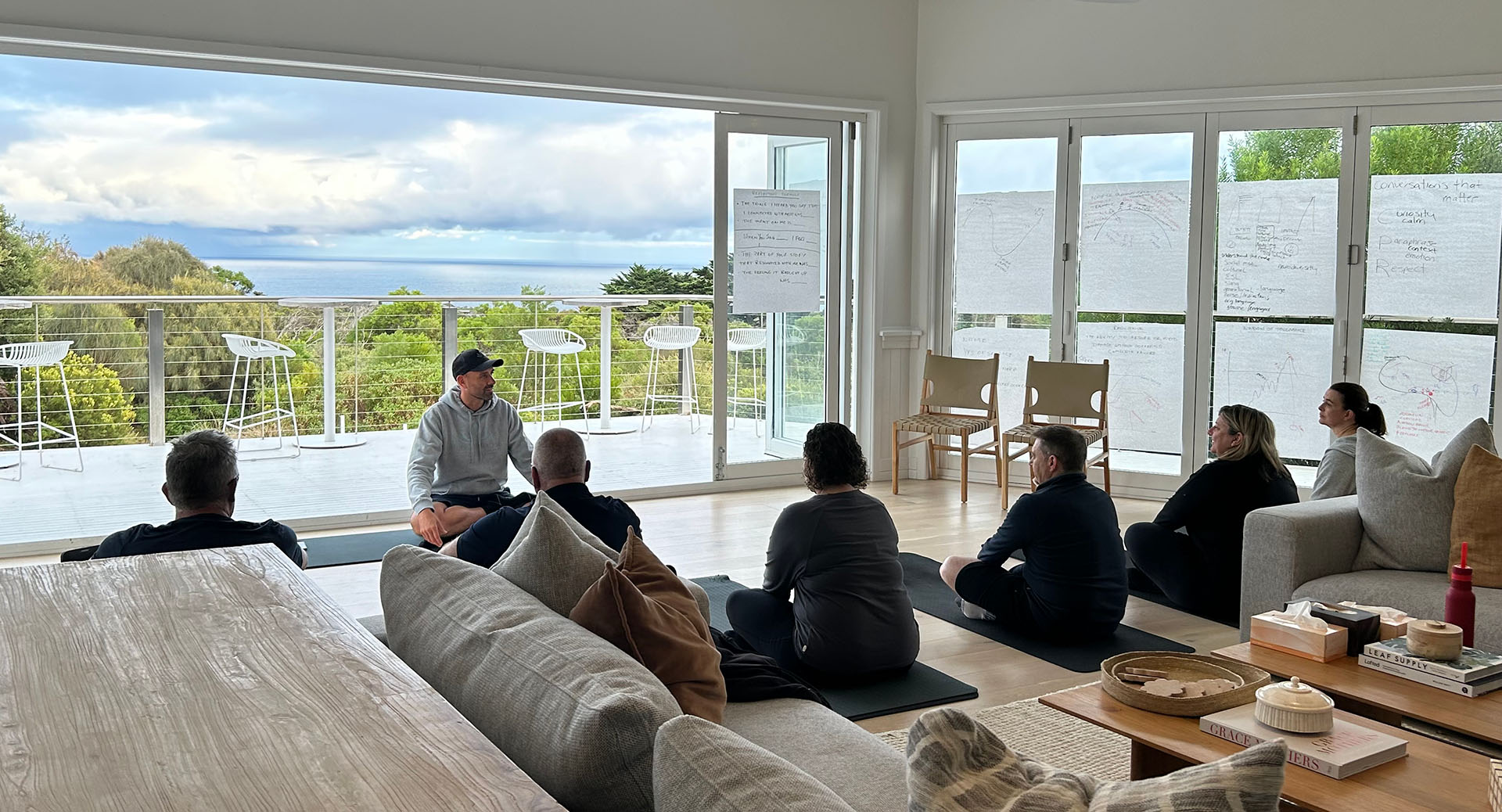
The Residential Wellbeing Program is a small group residential program providing a concentrated four-day period of learning and reflection, guided by trauma-informed clinicians.
It supports emergency service workers experiencing psychological distress by providing a safe and supportive environment focused on recovery.
The Residential Wellbeing Program has two pathways, designed to support emergency service workers at different stages of psychological distress, recovery and return to work.
Both pathways involve an intake assessment before participation. This helps determine capacity to meet the inherent psychological and emotional requirements of the program safely and effectively.

Emergency service workers are regularly exposed to operational stress. ESF identified a gap in early intervention support for Victorian emergency service workers and developed the RWP to help address psychological distress before it progresses to more serious mental injury.
The Return to Work pathway is an adaption for people with an approved mental injury claim.
Phoenix Pilot Evaluation ReportSupporting people earlier, before distress becomes more severe.
Designed specifically around emergency service work and its unique impacts.
A structured residential setting for reflection, skill development and recovery.

Early intervention can reduce the impact of developing mental health issues and support better long-term outcomes for workers, workplaces and communities.
‘Good work’ is beneficial to people’s health and wellbeing and long term work absence generally has a negative impact on health and wellbeing.

International wellbeing retreats for emergency responders.
Download Report Australian public wellbeing retreats and their relevance to emergency workers.
Download Report Insights from international first responder wellbeing practice.
Download Report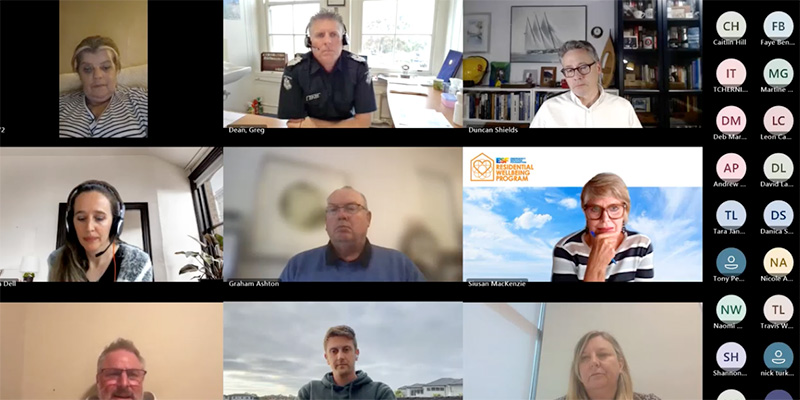
ESF partnered with Blueprint and Dr Duncan Shields to learn from and tailor his experience in developing the Residential Wellbeing Program for Australian emergency service workers.
Link to Blueprint Research into needs, expectations and best-practice program design.
Download Report
For people who are seeking help because they have “experienced a lot” and are struggling, but do not have a mental injury claim. An emergency service worker from an ESF member agency may self-nominate for an intake assessment. Funding options;
Intake assessment for the early intervention pathway is a two-step process involving an online health and wellbeing survey and conversation with a RWP clinician/facilitator to ensure the applicant has the capacity to meet the inherent psychological and emotional requirements of the program safely and effectively.
Applications open for a program that begins 24th August 2026.
For emergency service workers with an accepted mental injury claim from:

Victoria Police
Ambulance Victoria
Fire Rescue Victoria

Triple Zero Victoria
This pathway is funded by WorkSafe to asist recovery in a small group guided by two clinicians in a safe home like setting.
If you are interested in learning more about the opportunity to participate, you can have a chat with Gina at ESF directly on 0437 622 028
This pathway is a project funded through the WorkSafe Victoria Return to Work Innovations. WorkSafe Victoria is committed to identifying and piloting trailblazing initiatives to support injured workers in their recovery , removing return to work barriers and promoting evidence based, best practice approaches. 160 places will be from July 2026 – December 2027 to eligible workers referred by a WorkCover Agent. A comprehensive independent evaluation of the project will take place to determine if the RWP improves return to work metrics.
Participants accepted through the Return to Work pathway agree to take part in an evaluation process designed by Phoenix Australia, University of Melbourne. This involves data collection through four online surveys and a focus group over a 12-month period.
The intake assessment is a two step process designed to determine suitability and readiness for the program.

Takes around 20 minutes to complete and is reviewed by an ESF clinician.

A confidential conversation with an ESF clinician to understand current circumstances and determine capacity to meet the inherent, psychological and emotional requirements of the program safely and effectively.
The program takes place at Cape Schanck on the Mornington Peninsula over four consecutive days.
Each participant has their own private room with ensuite. There are no other guests apart from other RWP participants, and ESF clinicians/facilitators stay on site.
A better understanding of the mechanisms and effects of single incident or cumulative operational stress on the body, on the brain, on behaviour and on relationships.
Increased awareness of the impact of personal emergency response experiences on self and others and how the experience of stress is interpreted and communicated with others.
Strengthened knowledge and skills to maintain personal resilience and wellbeing, and an improved capacity to support their peers.
A personal psychological wellbeing tool kit and strategic plan to maintain resiliency and wellbeing under operational load, and to identify and mitigate potentially overwhelming experiences in their roles through appropriate skills and resources.
Skills to improve relationships with partners, family members and in the workplace.
Connection to services, supports and resources to better maintain their own resiliency and support their peers.


Privacy
No other guests on site.

Nature-based setting
Chosen for its position in nature.

Private accommodation
Each participant has their own room and ensuite.

Homelike environment
A supportive setting away from everyday pressures.
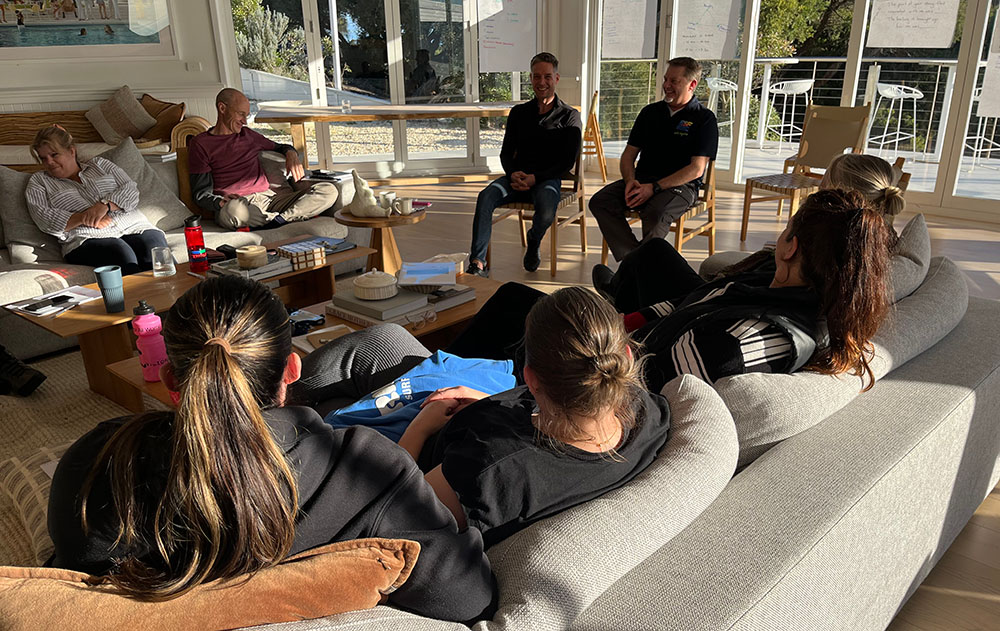
Eight participants are guided by two clinicians over four intensive days of learning and reflection focused on skill development and recovery.
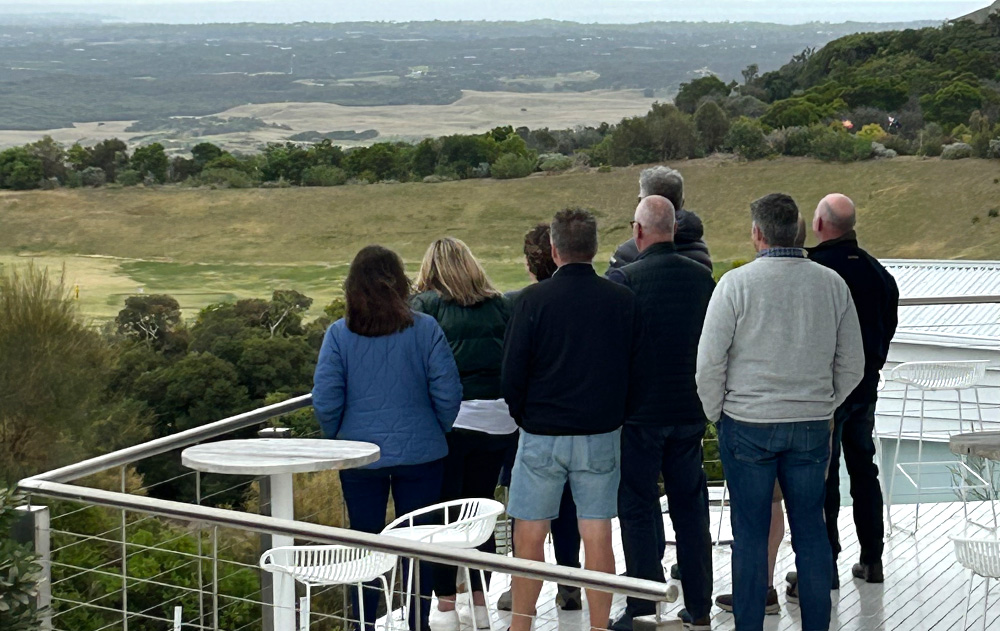
Eight participants are guided by two clinicians over four intensive days of learning and reflection focused on skill development and recovery.
Plan for self-care
Participants leave with a clearer plan for ongoing wellbeing.
Nervous system reset techniques
Practical techniques to support regulation and recovery.
A strong support network
Built from sharing experiences in a supported group environment.
Recovery skills
Tools and strategies to support day-to-day life and return-to-work goals.
All people accepted onto the program must nominate a support person who has agreed to take on that role.
The support person helps participants transition back into day-to-day life after the program, especially when return to work is the goal.
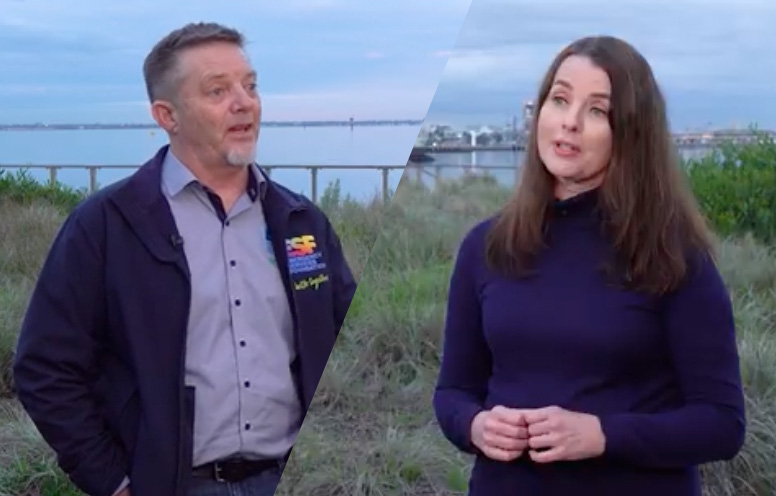
Support Person Fact Sheet View Participant Reflections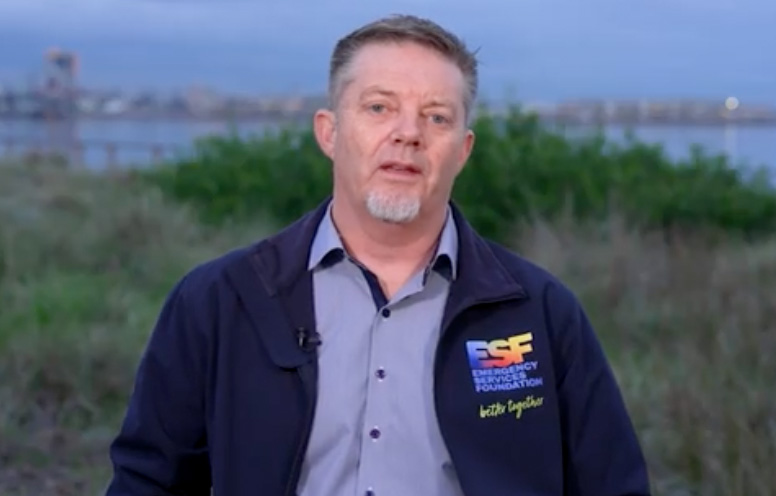

Potential participants are encouraged to discuss participation in the program with their treating heath practitioner.
Participating in the program will not impact an injured worker’s ability to access other suitable treatments, services and benefits that they are eligible to as part of a Workcover claim.
The program is funded entirely by Return-to-Work Innovations (WorkSafe Victoria). It is not a claims cost and is not considered a referred service. Potential participants must have a referral from the workers’ treating health practitioner (THP).
Health Provider Fact Sheet
The Early Intervention Pathway is for people who have identified they need help to deal with emerging symptoms of psychological distress associated with exposure to occupational stressors and trauma. It aims to help prevent the onset of more serious mental injury. Emergency service workers can self-nominate to attend.
Only workers and volunteers from ESF member agencies are eligible for sponsored places. Any emergency service worker or volunteer can self-fund. There is currently no ongoing evaluation aspect to participating in this program.
The Return to Work Pathway is fully funded as a project through WorkSafe Victoria’s Return to Work Innovations. Only eligible workers from VicPol, AV, FRV and Triple Zero can be referred by a WorkCover Agent Case Manager at Gallagher Bassett, DXC or EML. Participants must agree to participate in the project evaluation process.
The Return to Work Pathway is fully funded as a project through WorkSafe Victoria’s Return to Work Innovations for eligible injured workers.
The Early Intervention Pathway can be self-funded, or limited sponsored places may be available.
The Return to Work Pathway requires meeting project eligibility criteria and a referral from a WorkCover Agent.
The Early Intervention Pathway is by self-nomination, noting that sponsored funded places are limited.
Both pathways require a two-step intake process involving an online mental health and wellbeing survey, which is reviewed by an ESF clinician, and an online conversation with a clinician to determine capacity to meet the inherent psychological and emotional requirements of the program safely and effectively.
Yes. It is a condition of entering both pathways of the program.
The program has a formal multi-layered governance structure, including the ESF Board, Steering Committee, and Mental Health Advisory Group, also known as MHAG, providing clinical governance oversight supported by a defined risk framework.
Clinical delivery is led by AHPRA-registered psychologists and PACFA clinical members.
The Mental Health Advisory Group also includes representation from psychiatrists.
Clinicians are responsible for intake assessment, program delivery, clinical monitoring, and post-program reporting.
Risk is managed through rigorous intake screening, continuous monitoring, 24/7 clinical presence, and defined crisis protocols. Clinicians are onsite 24/7 during the program.
A structured intake and exclusion process identifies participants who may be unsuitable for the program.
Escalation mechanisms exist, including Mental Health Advisory Group oversight and crisis protocols. ESF will provide details of this in fact sheets. The risk framework has been approved through ESF internal governance and WorkSafe Victoria.
The clinical model was developed by Blueprint at the University of British Columbia through research and co-design.
ESF tailored the model to suit Australia and validated it through a 2024 pilot evaluated by Phoenix Australia, which showed positive clinical outcomes. This was further supported by Blueprint’s work, validated through a University of Canberra evaluation, both with emergency services cohorts.
Further validation is underway through a formal evaluation framework for injured emergency services workers with mental injury claims as part of this project.
The program has been designed with confidentiality, dignity and clinical governance at its centre. ESF uses clinical practice software Cliniko to gather and store participant information. Information is only accessed by the program lead and clinical facilitators and is not shared with employers.
Whether you are self-nominating or seeking information about the injured worker pathway, the first step is understanding which pathway applies to you.